Easy Close Hardware
If you’ve ever had a storm door slam behind you hard enough to shake the frame, you already understand why “easy close” hardware matters. It’s one of those small home upgrades that doesn’t sound important—until you live without it.
The problem is, most “easy close” claims are more marketing than reality. Many homeowners buy a new closer expecting a soft, smooth glide, only to end up with… the same loud thud, just slightly slower.
So what actually works? And what’s worth your money?
After digging into real-world use, installation quirks, and long-term performance, here’s a deep, honest breakdown of storm door closers that truly deliver a smoother, controlled close—and the ones that don’t.
What “Easy Close” Really Means (And Why It’s Misleading)
Let’s clear something up right away: there’s no universal standard for “easy close.”
Manufacturers use the term to describe:
- Adjustable closing speed
- Reduced slamming
- Hold-open features
- Or just… basic functionality
But from a homeowner’s perspective, “easy close” usually means:
A slow, smooth, quiet closing motion that doesn’t slam—even if you let the door go.
That’s a much higher bar than most hardware actually meets.
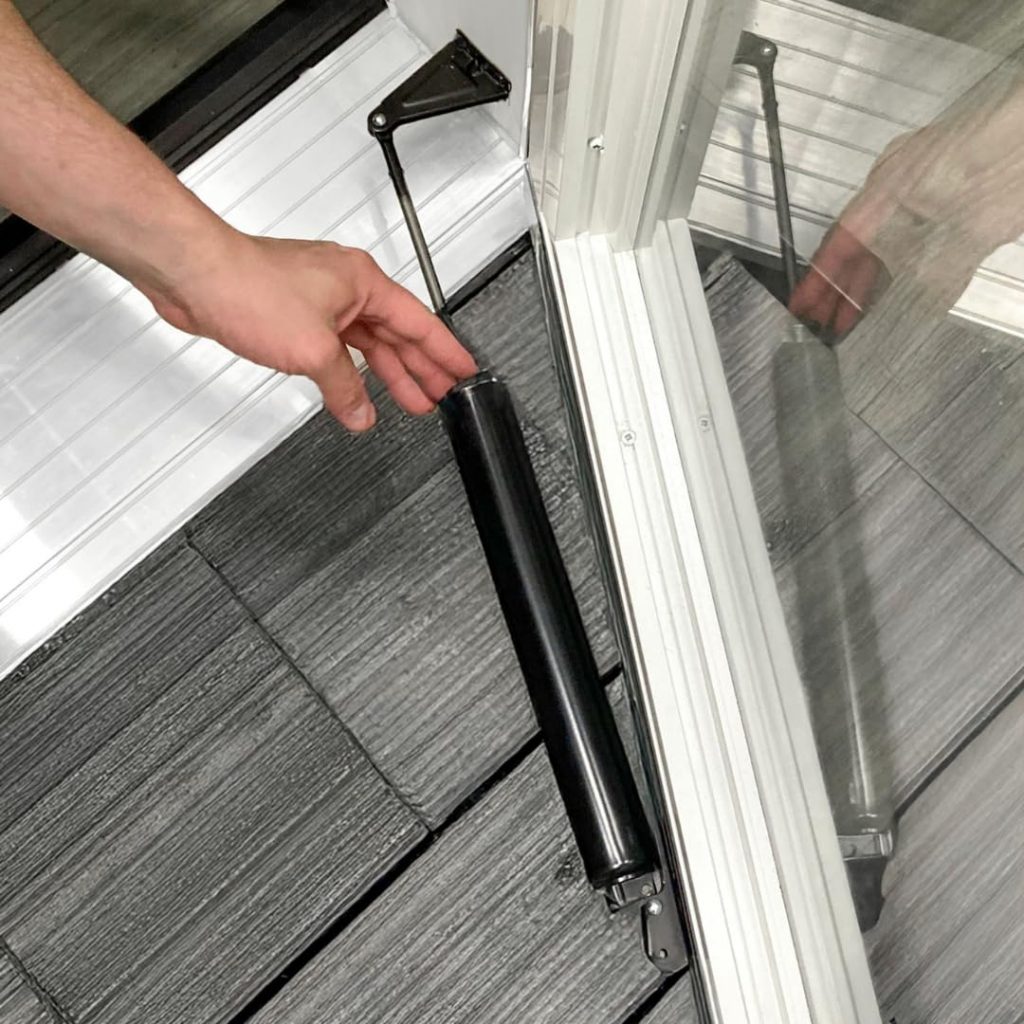
The Two Main Types of Door Closers
Everything boils down to one key difference: how the closer controls motion.
1. Pneumatic Closers (Most Common)
These use air pressure inside a tube to control the door as it shuts.
What they feel like:
- Slight resistance when closing
- Often speed up at the end
- Can “bounce” or snap shut
Pros:
- Cheap
- Easy to install
- Widely available
Cons:
- Not truly smooth
- Affected by temperature
- Prone to slamming if not adjusted perfectly
Pneumatic closers are what most people already have—and what most people are trying to replace.
2. Hydraulic Closers (Smoother Option)
These use fluid instead of air, which creates a more controlled, dampened motion.
What they feel like:
- Consistent resistance throughout closing
- Slower, quieter motion
- Less bounce at the end
Pros:
- Much smoother closing
- Better at preventing slams
- More “premium” feel
Cons:
- Slightly more expensive
- Not as common in basic stores
- Can wear out over time if cheap
If you’re chasing that true “easy close” feel, this is where you want to be.
Why Most Storm Doors Still Slam
Here’s the part many people miss: the closer itself is only part of the equation.
Even a good closer will fail if:
- The door is too heavy for a single unit
- It’s installed at the wrong angle
- The adjustment screw isn’t tuned correctly
- Wind pressure is strong
- The frame has slight misalignment
That’s why some people swear a product is great—and others say it’s terrible. Same hardware, different setup.
The Biggest Upgrade Most People Overlook: Dual Closers
If your storm door has glass or feels heavy, using just one closer is often the root of the problem.
Adding a second closer changes everything.
What dual closers do:
- Slow the door more evenly
- Reduce twisting or jerking
- Prevent that last-second slam
What it feels like:
Instead of the door snapping shut, it eases into the frame with controlled resistance.
It’s not quite commercial-door smooth—but it’s a big step closer.
Features That Actually Matter (And Ones That Don’t)
What matters:
1. Adjustable closing speed
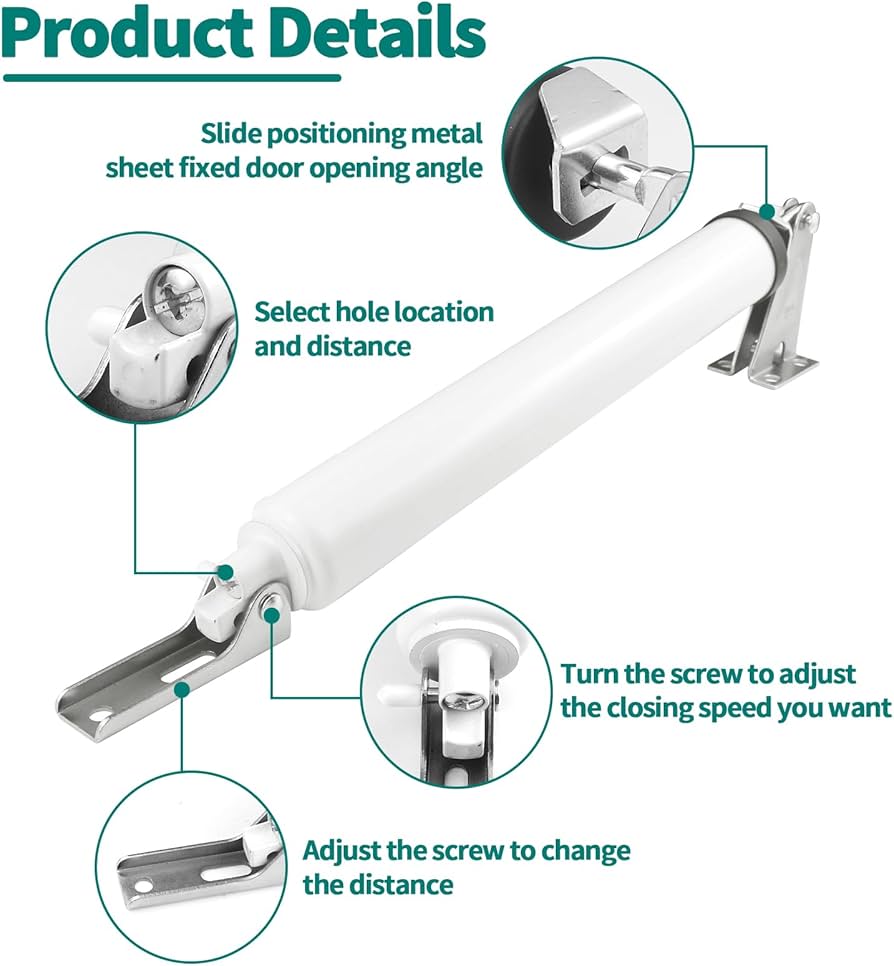
This is essential. Without it, you’re stuck with whatever speed the manufacturer chose.
Look for:
- Fine adjustment (not just “fast/slow”)
- Easy access screw
2. Build quality of the cylinder
Cheaper models wear out faster, especially in extreme temperatures.
Signs of better quality:
- Heavier metal construction
- Smooth resistance when manually compressing
3. Door weight compatibility
A closer that’s too weak will:
- Slam
- Wear out quickly
- Feel inconsistent
4. Mounting geometry
Even the best closer fails if installed poorly.
Angle and placement affect:
- Speed
- Force
- Smoothness
What doesn’t matter as much:
“Heavy-duty” labels
These are often vague and inconsistent.
Brand name (to a degree)
Most major brands use similar designs. Performance differences come more from type (hydraulic vs pneumatic) than branding.
Price beyond a certain point
You don’t need to spend a fortune—just avoid the cheapest options.
Real-World Performance: What You Can Expect
Let’s set realistic expectations.
Best-case scenario:
- Door closes slowly
- No slam
- Quiet contact with frame
- Minimal bounce
Worst-case scenario (even with decent hardware):
- Slight speed-up near the end
- Occasional slam in strong wind
- Seasonal adjustment needed
There is no perfect system—but some come much closer than others.
Common Problems (And How to Fix Them)
Problem: Door still slams
Likely causes:
- Speed screw too loose
- Closer too weak
- Door too heavy
Fix:
- Tighten adjustment screw
- Add second closer
- Upgrade to hydraulic
Problem: Door closes too slowly
Causes:
- Over-tightened adjustment
- Cold weather
Fix:
- Slightly loosen adjustment
- Accept seasonal changes (this is normal)
Problem: Jerky or uneven motion
Causes:
- Pneumatic design limitations
- Internal wear
Fix:
- Replace with hydraulic
- Or upgrade to dual setup
Weather: The Hidden Factor
Most people don’t realize how much weather affects door closers.
In winter:
- Air contracts → pneumatic closers slow down
- Hydraulic fluid thickens → smoother but slower
In summer:
- Air expands → faster closing
- Fluid thins → slightly quicker motion
This is why your door feels different in January vs July.
Installation Matters More Than You Think
A poorly installed closer can ruin even the best hardware.
Key tips:
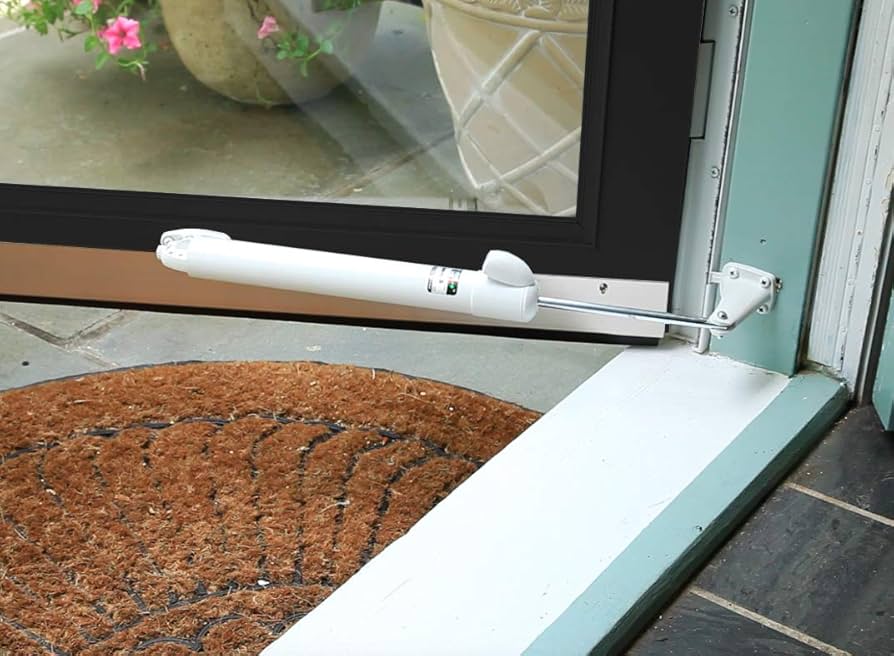
1. Follow the mounting diagram exactly
Small differences in placement affect leverage and speed.
2. Check alignment
If the door doesn’t sit flush, no closer will fix the slam.
3. Adjust gradually
Turn the screw in small increments and test each time.
4. Test in real conditions
Open the door fully and let it close naturally.
The “Hold Open” Feature: Worth It?
Some modern closers include a push-button or tap-to-hold function.
Pros:
- Convenient for carrying items
- Keeps door open without manual latch
Cons:
- Adds complexity
- Can wear out faster
Verdict:
Nice to have, but not essential for “easy close.”
Longevity: What to Expect Over Time
Even good closers don’t last forever.
Typical lifespan:
- Budget pneumatic: 1–2 years
- Mid-range pneumatic: 2–4 years
- Hydraulic: 3–5 years (sometimes longer)
Signs it’s wearing out:
- Faster closing
- Loss of resistance
- Oil leakage (hydraulic)
So… What Should You Actually Buy?
Here’s the honest breakdown based on real-world needs:
If you want the smoothest close:
Go hydraulic.
If you have a heavy storm door:
Use two closers.
If you’re on a budget:
Standard pneumatic works—but expect compromises.
If you want convenience:
Look for hold-open features.
My Practical Recommendation
For most homeowners:
The best balance of performance, cost, and reliability is either
a hydraulic closer OR a dual pneumatic setup.
Single pneumatic closers are fine—but they rarely deliver that truly smooth, soft close people expect.
Final Thoughts
Storm door hardware is one of those upgrades that seems minor—until it’s right.
A properly set up “easy close” system:
- Makes your home feel quieter
- Prevents wear and tear
- Adds a subtle sense of quality
But the key takeaway is this:
There’s no magic product. The best results come from choosing the right type and setting it up correctly.
If you focus on that—hydraulic vs pneumatic, door weight, and proper adjustment—you’ll get much closer to that smooth, no-slam experience most people are actually looking for.
0 Comments